
Understanding the psychology behind gambling what drives the thrill and loss
The Allure of Risk
The thrill of gambling largely stems from the inherent risk associated with it. Many individuals are naturally drawn to risk-taking activities, as these experiences can release dopamine, the brain’s feel-good neurotransmitter. This chemical response can create feelings of euphoria and excitement, especially when one is on the verge of winning. The anticipation and uncertainty of each game are what make the experience exhilarating, allowing players to escape their daily routines and immerse themselves in the unpredictable world of chance. For those eager to explore this field, go-kong.uk offers a plethora of options that cater to varying preferences.
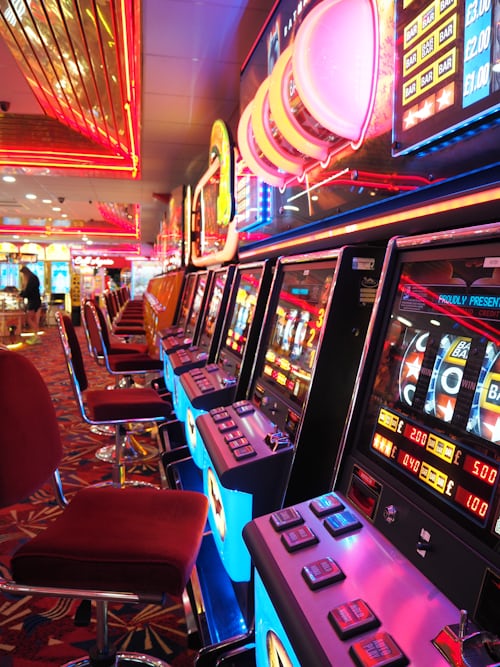
This attraction to risk can also be tied to individual personality traits. Some people possess a higher propensity for sensation-seeking, which leads them to pursue activities that provide intense emotional experiences. These gamblers often thrive on the uncertainty, feeling empowered by the chance to win big. This psychological connection between risk and reward is a key factor that keeps players returning to their favorite games, sometimes leading them to gamble more than they originally intended.
Moreover, the social aspect of gambling adds another layer to its appeal. Engaging in gambling activities with friends or fellow enthusiasts can create a sense of camaraderie and shared excitement. This social interaction often amplifies the feelings of thrill, as players cheer each other on and celebrate wins together. The combination of risk, reward, and social engagement forms a powerful psychological cocktail that can be hard to resist for many individuals.
The Impact of Loss
While the thrill of gambling can be enticing, it is crucial to acknowledge the psychological impact of loss. Losing a bet can lead to feelings of frustration and disappointment, but for many, it also triggers a desire to continue playing in hopes of recouping their losses. This phenomenon, known as the “gambler’s fallacy,” convinces players that their luck will change if they keep wagering. This irrational belief can lead to reckless behavior and escalating losses, as individuals chase the elusive recovery of their initial stake.
The emotional rollercoaster of gambling can also lead to a cycle of highs and lows. After a significant loss, players may experience a temporary dip in self-esteem and mood, which they might counteract by gambling again. This behavior illustrates how gambling can become a coping mechanism for negative emotions. As individuals try to escape feelings of sadness or anxiety through gambling, they may find themselves in a deeper cycle of loss and desperation, showcasing the complexities of the psychological relationship between gambling and emotional health.
Furthermore, the impact of loss isn’t just financial; it can also affect personal relationships and social connections. As individuals become increasingly consumed by their gambling habits, they may begin to withdraw from friends and family. This isolation can create a feedback loop of loneliness and despair, making it difficult for individuals to seek help or support. Understanding this psychological aspect is vital for gamblers, as recognizing the adverse effects of loss can prompt necessary changes in behavior and attitude toward gambling.
The Role of Cognitive Biases
Cognitive biases play a significant role in the psychology of gambling, influencing how individuals interpret their experiences. One common bias is the “illusion of control,” where gamblers believe they have some influence over the outcome of random events. This fallacy can lead them to make irrational decisions, such as believing that specific rituals or strategies can enhance their chances of winning. This misguided sense of control can perpetuate gambling behavior, making it challenging for individuals to recognize when they should stop.
Another relevant cognitive bias is the “availability heuristic,” which refers to the tendency to rely on immediate examples when evaluating situations. Gamblers might focus on recent wins or success stories, overlooking the more frequent losses experienced by others. This skewed perception can reinforce their belief in their luck or skills, making them more likely to continue gambling. Recognizing these cognitive biases is essential for players, as understanding their thought patterns can help them make more informed decisions regarding their gambling habits.
Additionally, the design of gambling games often exploits cognitive biases to keep players engaged. Features such as near-misses, flashing lights, and celebratory sounds can create a sense of excitement and satisfaction, even when the player has lost. These psychological tactics can lead to an overestimation of one’s chances of winning, causing players to become desensitized to losses. Awareness of these manipulative elements can empower gamblers to approach their activities more critically, potentially reducing the likelihood of harmful gambling behaviors.
The Influence of Environment
The environment in which gambling takes place can significantly impact the psychology of the player. Casinos and online gambling platforms are designed to create an immersive experience, often employing bright lights, enticing sounds, and carefully crafted layouts to maintain excitement. This atmosphere fosters a sense of urgency and encourages players to stay longer and bet more. Being surrounded by other gamblers who are engaging in similar activities can further heighten this sense of excitement, leading to impulsive decision-making.
Moreover, the availability of gambling options plays a crucial role in how individuals approach their gaming habits. The rise of online casinos has made gambling more accessible than ever, allowing players to engage in activities from the comfort of their homes. However, this convenience can lead to an increase in impulsive gambling, as individuals may not have the same level of self-control when gambling in private. Understanding the influence of the environment on gambling behavior is vital for creating strategies to maintain a balanced approach to gaming.
Additionally, social influences can significantly impact a gambler’s behavior. Peer pressure, whether real or perceived, can drive individuals to gamble beyond their limits. The normalization of gambling in social settings can create a culture that encourages excessive participation, often overshadowing the potential risks associated with the activity. By recognizing these environmental and social factors, gamblers can develop a more mindful approach to their gaming habits, promoting a healthier relationship with gambling.
GoKong Casino and Responsible Gaming
At GoKong Casino, understanding the psychology behind gambling is a priority. The platform aims to provide a safe and engaging environment for all users, offering over 10,000 games, including slots, live tables, and sports betting. With advanced encryption and secure payment options, GoKong is committed to ensuring player safety and privacy. The platform also emphasizes responsible gaming by equipping players with various tools designed to promote healthier gambling habits.
New players at GoKong Casino can take advantage of an enticing welcome bonus, which includes a 100% match up to £500 and 200 free spins. This generous offer is designed not only to attract new users but also to enhance the overall gaming experience. GoKong Casino provides round-the-clock customer support, ensuring that players can receive assistance whenever they need it. This commitment to user satisfaction and safety reinforces GoKong’s dedication to creating a positive gaming environment.
By fostering awareness of the psychological aspects of gambling, GoKong Casino encourages players to enjoy their gaming experiences while being mindful of their habits. Through ongoing promotions and educational resources, the platform aims to empower players to make informed decisions and develop a responsible relationship with gambling. This focus on player well-being makes GoKong Casino a premier online gaming destination for both new and seasoned players alike.
Comentarios recientes